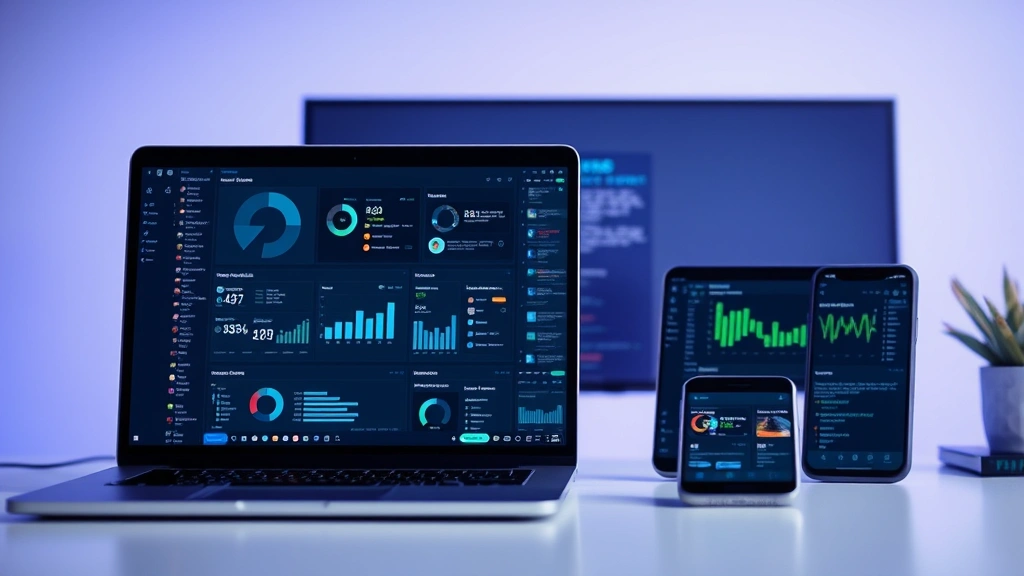
AI sales automation is moving beyond the hype. Discover how smart platforms are cutting busywork, improving forecasting, and giving reps more time to actually sell.
Let's be honest for a second. If you've been in sales for more than a few years, you've seen the hype cycle come and go. Every new tool promises to save you time, hit your number, and maybe even make you coffee. But AI sales automation? This one feels different. It's not just about sending a few templated emails anymore. It's about fundamentally changing the way your team spends its day, and honestly, it's about time.
We're seeing platforms like HubSpot and other major CRM players bake AI directly into the sales workflow. That's a massive shift. Instead of forcing reps to jump between a dozen tabs to figure out who to call next, the software is starting to do the heavy lifting. It's not science fiction, it's just good business. And if you're not paying attention, you might get left behind.
### The Real Shift: From Busywork to Strategy
Think about the typical sales day for a rep. They spend hours on data entry, researching accounts, and trying to figure out the best time to reach out. That's the grunt work. AI sales automation platforms are designed to take that grunt work and hand it to a machine. This isn't about replacing your best closer; it's about giving them a superpower. Instead of spending 30 minutes crafting a follow-up, the system analyzes the buyer's behavior and suggests the perfect message, or even drafts it for you.
The goal here is simple: get your reps out of the admin queue and back into actual conversations. When a rep is talking to a prospect, they're creating value. When they're updating fields, they're just burning payroll. The best platforms are shifting that balance dramatically in favor of talking.
### Why This Matters More Than You Think
There's a misconception that AI is only for huge enterprises with massive data teams. That's just not true anymore. Modern tools are built to be user-friendly, and they integrate directly with the CRMs you already use. If you're a mid-sized B2B company, you can start seeing results almost immediately. The software learns your sales cycle, understands your buyer personas, and starts making recommendations that feel surprisingly accurate.
Here are a few ways this is playing out in the real world:
- **Lead Scoring on Steroids:** AI doesn't just look at job titles. It looks at engagement patterns, email opens, and website visits to tell you who is actually ready to buy.
- **Automated Meeting Prep:** Before a call, the platform can pull together a full briefing on the contact, their company, and their recent news. You walk in prepared without lifting a finger.
- **Predictive Forecasting:** Instead of guessing, you get a data-backed view of what your pipeline will likely close. That helps you manage resources and set realistic goals.
### The Human Element Still Wins
Here's the thing that often gets lost in the noise: AI isn't magic. It's a tool. The best sales teams use it to amplify their human skills—empathy, creativity, and relationship-building. You still need to close the deal, but now you can do it with more context and less guesswork. It's like having a brilliant research assistant who never sleeps and never complains.
The transition isn't always seamless. There's a learning curve, and you'll need to trust the data sometimes when it goes against your gut. But the teams that embrace this shift are seeing shorter sales cycles and higher win rates. It's a competitive advantage that's becoming a table-stakes requirement.
### Where To Go From Here
If you're just starting to explore AI sales automation, don't try to boil the ocean. Pick one process that hurts the most—maybe it's lead follow-up or data entry—and apply a tool to that specific problem. Measure the impact over a month. You'll likely be surprised by the time you get back.
The bottom line is that this isn't just a trend. It's a fundamental evolution in how we sell. The tools are getting smarter, and the winners will be the ones who learn to work with them, not against them.